
Pounamu
Shapes and Meanings
This page celebrates the stories held within traditional Māori carving. Each pounamu shape carries centuries of meaning, connecting the wearer to the values, stories, and natural world of Aotearoa.
We hope this guide helps you understand and appreciate the deeper significance of your taonga (treasure).
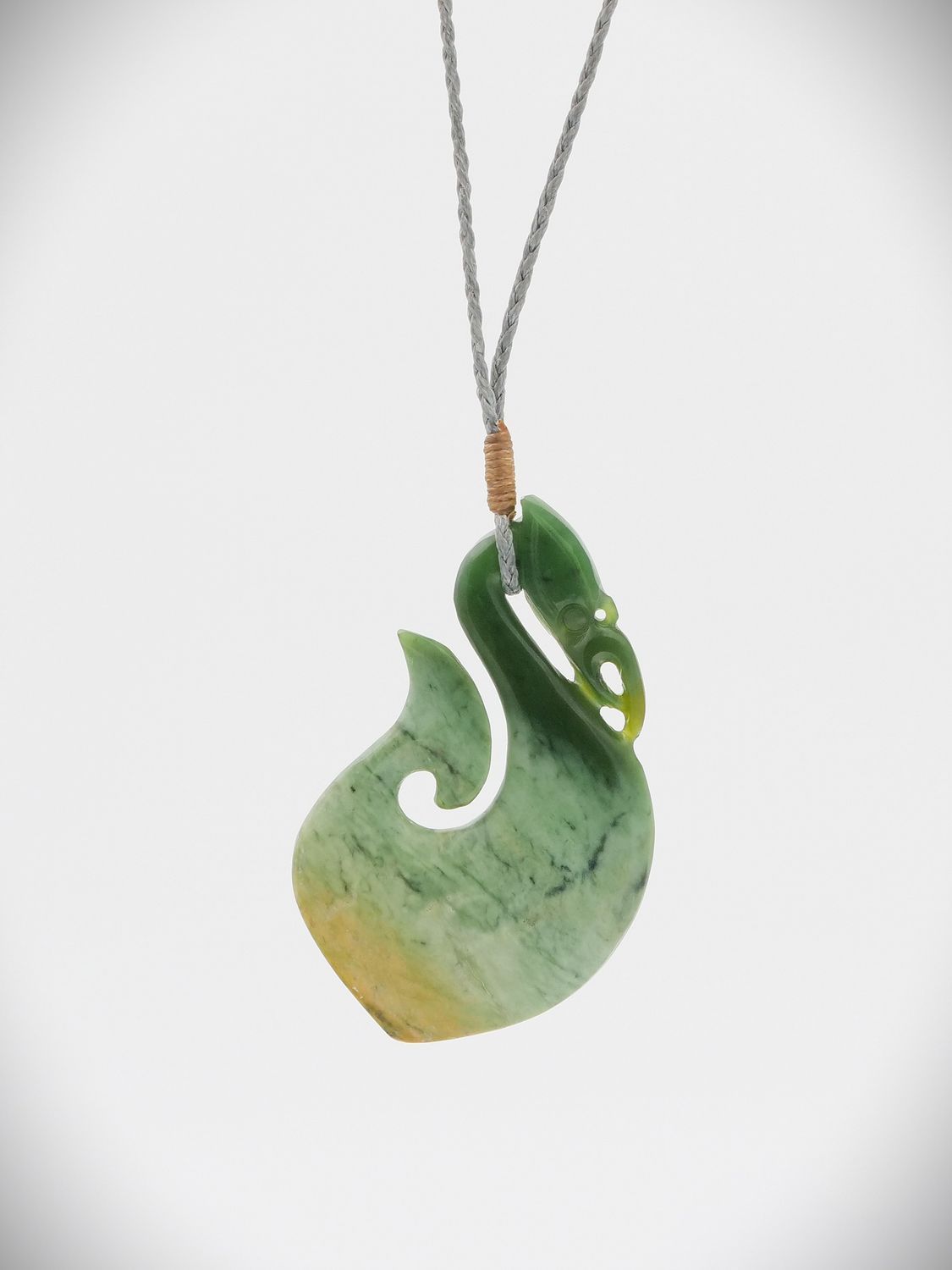
Manaia
The Manaia is a guardian spirit and messenger in Māori tradition. Often depicted with the head of a bird, the body of a human, and the tail of a fish, it represents the balance between sky, earth, and sea. It acts as a kaitiaki (protector), watching over the wearer and serving as a link between the physical and spiritual worlds.
Toki (Adze)
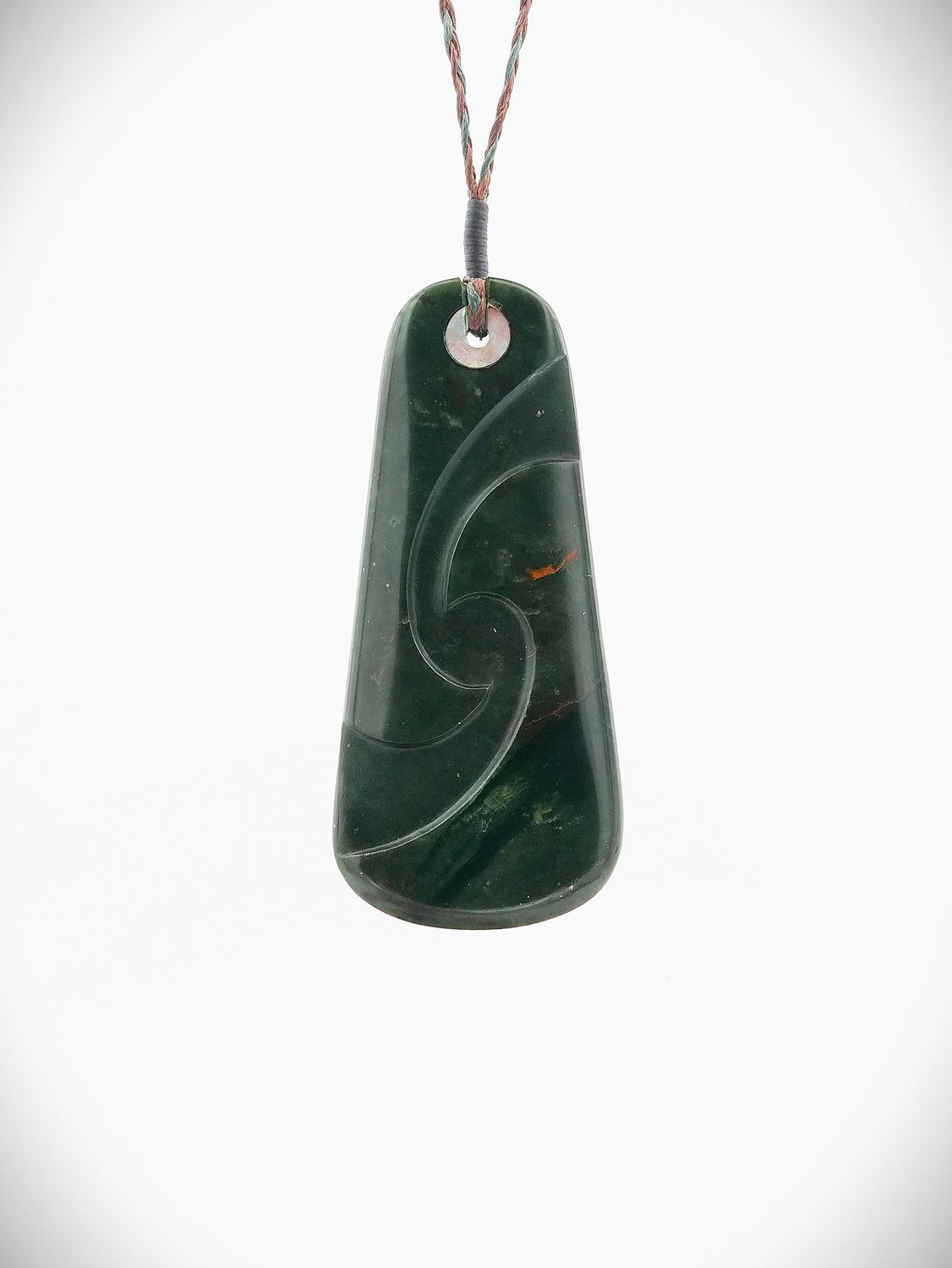
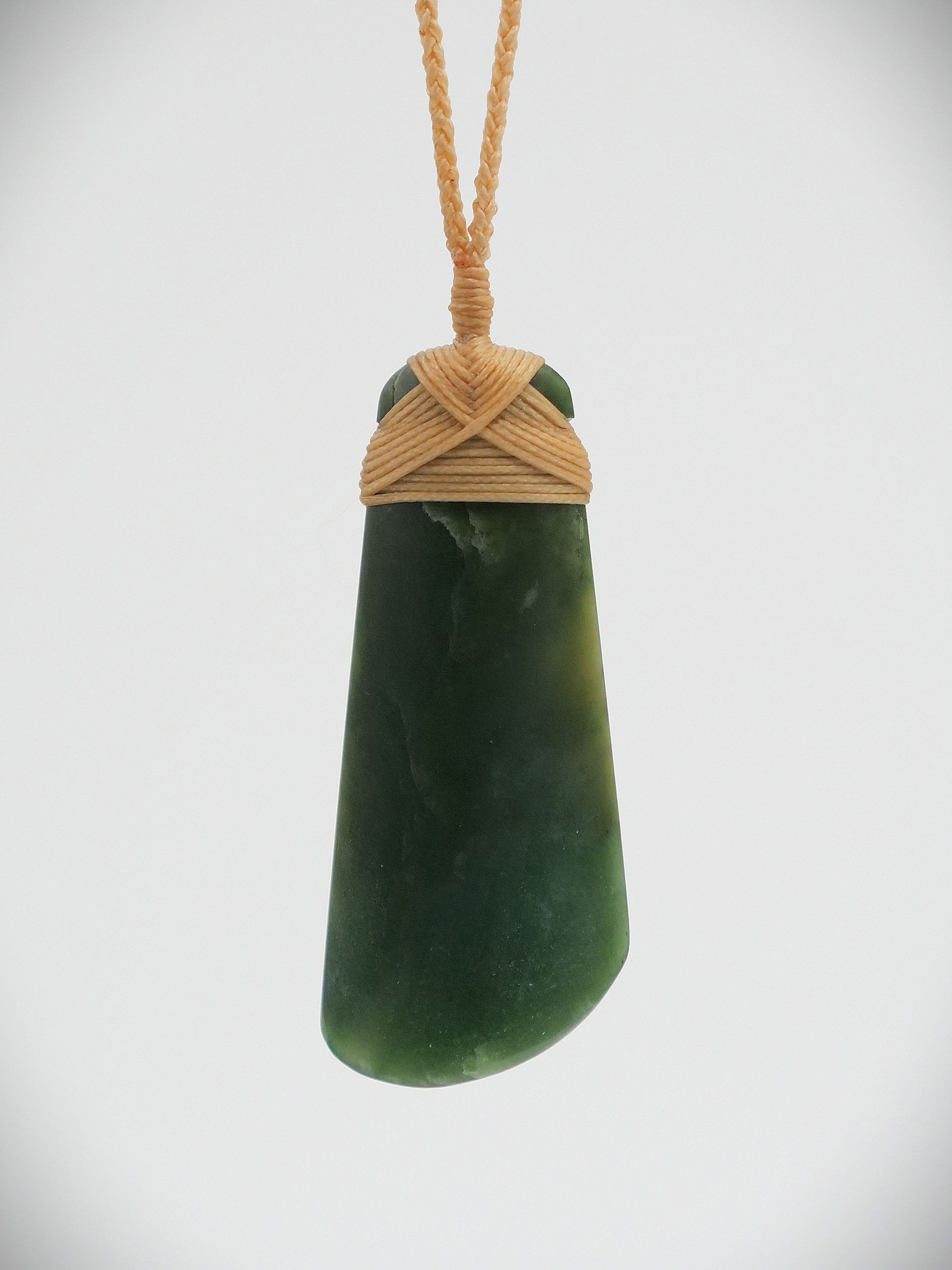
The Toki was an essential tool, shaped from stone or pounamu and used for carving, building, and survival. Over time, it came to symbolise much more: strength, determination, and authority. Today, it is worn as a symbol of mana, leadership, control, and honour - a reminder of the focus needed to shape one's own path.
Hei Tiki
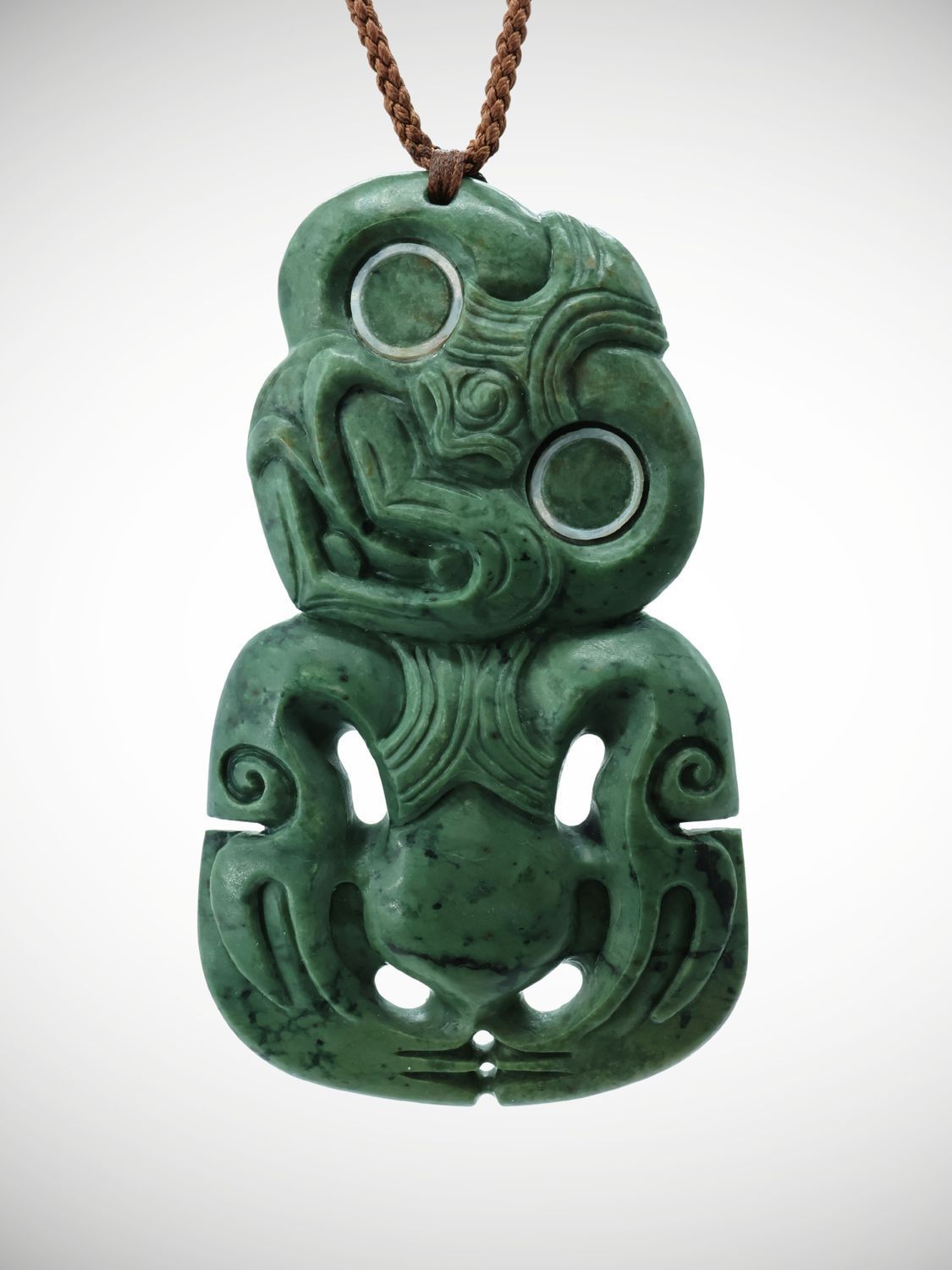
The Hei Tiki is one of the most iconic and treasured forms in Māori culture. Traditionally worn close to the heart, it is often regarded as a representation of the first human. It embodies the bond between people and their ancestors, symbolising whakapapa (genealogy), fertility, knowledge, and spiritual strength.
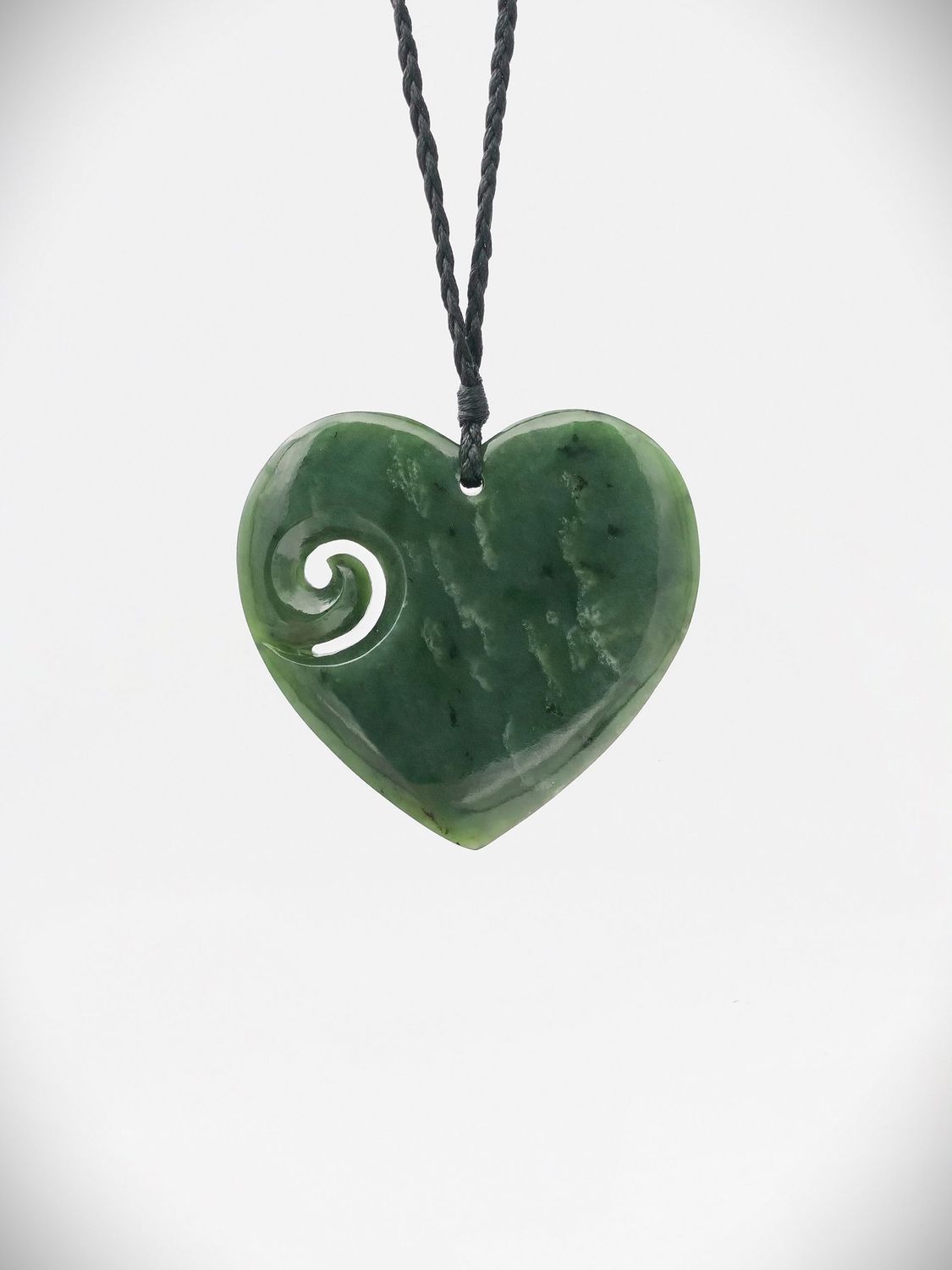
Koru (Spiral)
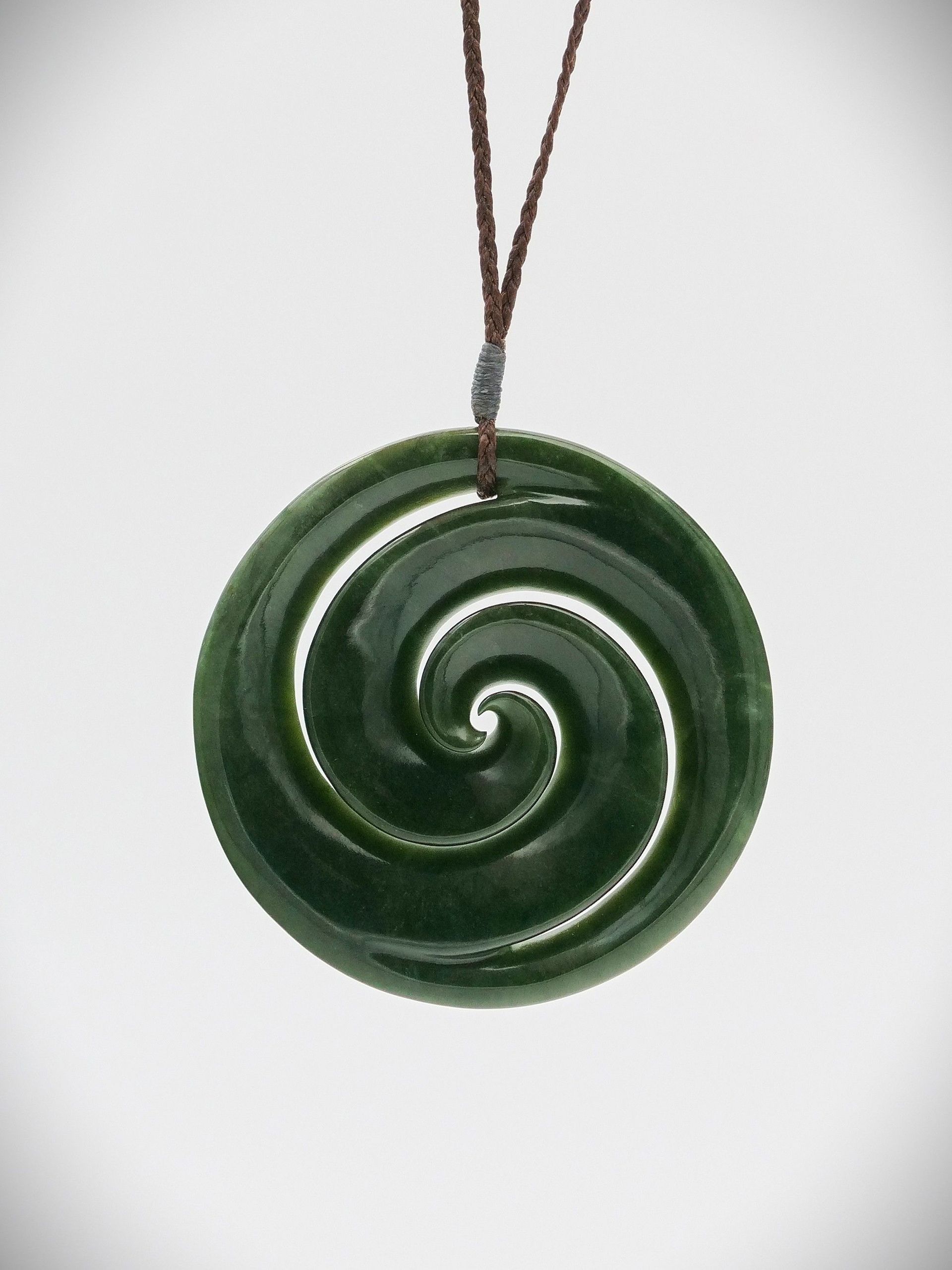
The Koru takes its form from the unfurling silver fern frond. Its spiral shape represents new life, growth, and renewal. The inward coil suggests a return to origins, while the outward movement reflects peace, hope, and personal growth. It is a symbol of harmony and the ever-unfolding journey of life.
Hei Matau (Fish Hook)
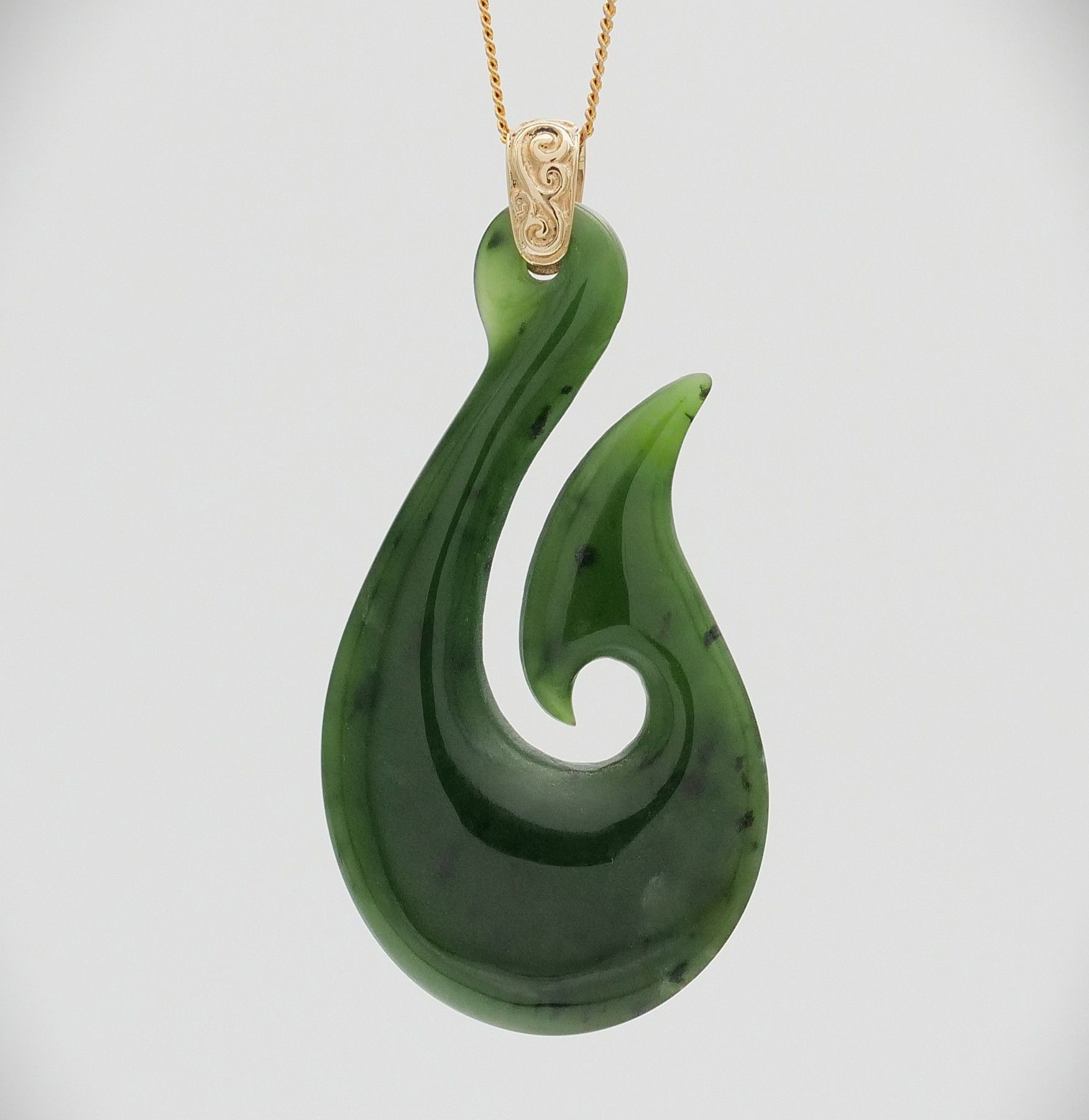
For generations, the ocean was a primary source of food, making a finely crafted fish hook a vital tool and prized possession. The Hei Matau represents the deep connection to Tangaroa, god of the sea. It symbolises prosperity, abundance, strength, and safe journey over water.
Kuri or Roimata (Drop or Teardrop)
The Kuru or Roimata, named for its teardrop shape, is widely regarded as a comfort stone. It symbolises healing, remembrance, and emotional strength. Its form represents tears shed in sadness, love, or compassion. Worn close to the heart, it brings peace and reassurance, a reminder of enduring love and connection.
Pikorua (Twist)
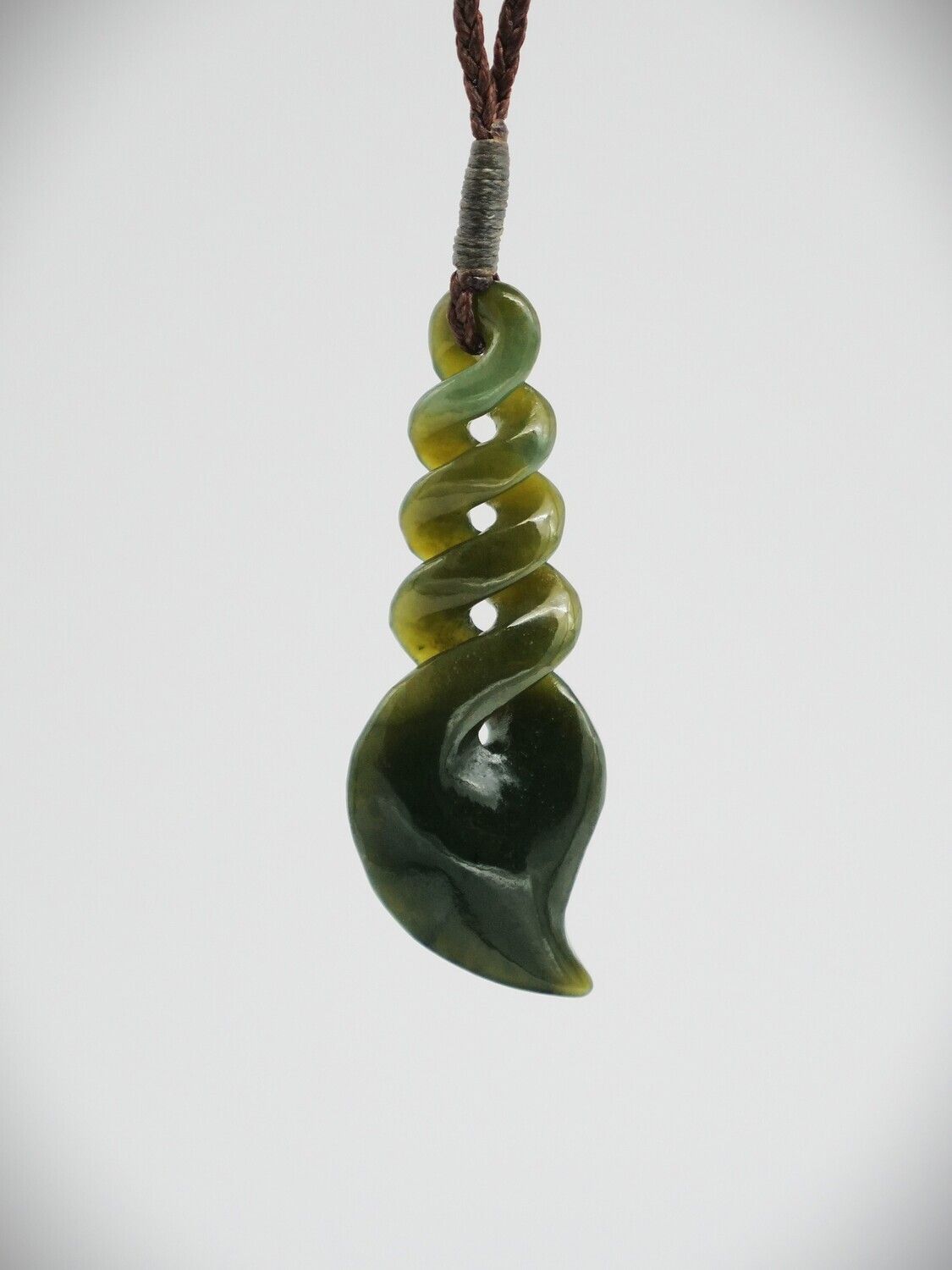
The Pikorua, with its single or multiple twists, speaks of eternal connection. The single twist symbolises the joining of two lives into one shared journey, representing friendship, loyalty, and unity. Double or triple twists represent the unbreakable bonds between peoples, cultures, and generations.
Kouma (Breastplate)
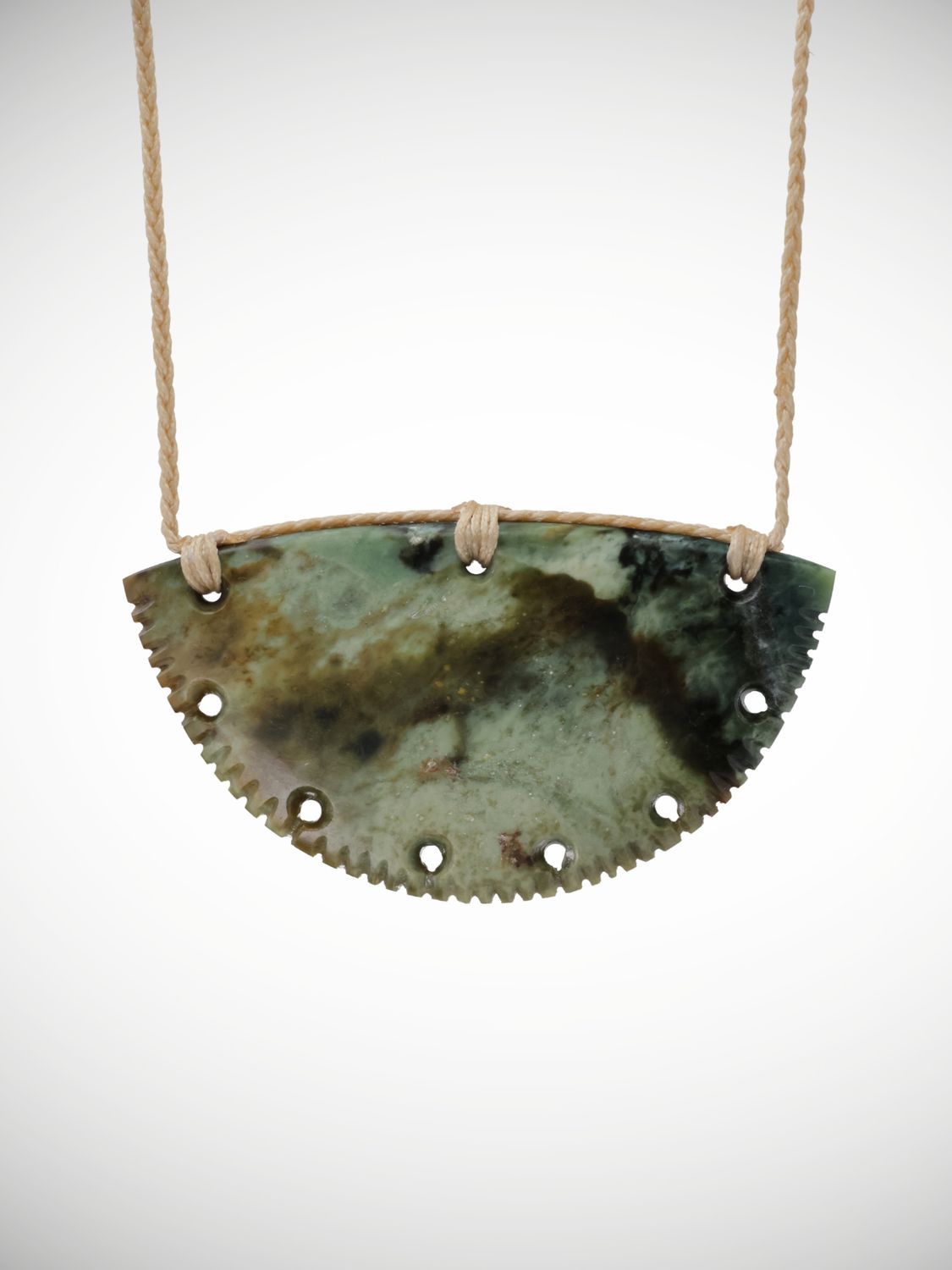
The Kōuma, or breastplate, was traditionally worn over the chest as a symbol of mana and protection. Carved from pounamu, bone, or shell, it represented strength, authority, and connection to one's ancestors. It embodies courage, leadership, and the spiritual guardianship of the wearer.
Rei Niho or Rei Paraoa (Whale Tooth)
Carved from whale tooth or bone, the Rei Niho carries immense mana. Worn by chiefs as a mark of status, it embodies strength, authority, and wisdom drawn from Tangaroa, the god of the sea. It honours the whale as a guardian, representing leadership, courage, and respect for the ocean.
Manawa (Heart)
The Heart pendant represents love in all its forms - romantic, familial, and enduring. It symbolises deep connection, affection, and the unspoken bond between people.
It is a timeless expression of aroha (love), care, and appreciation.
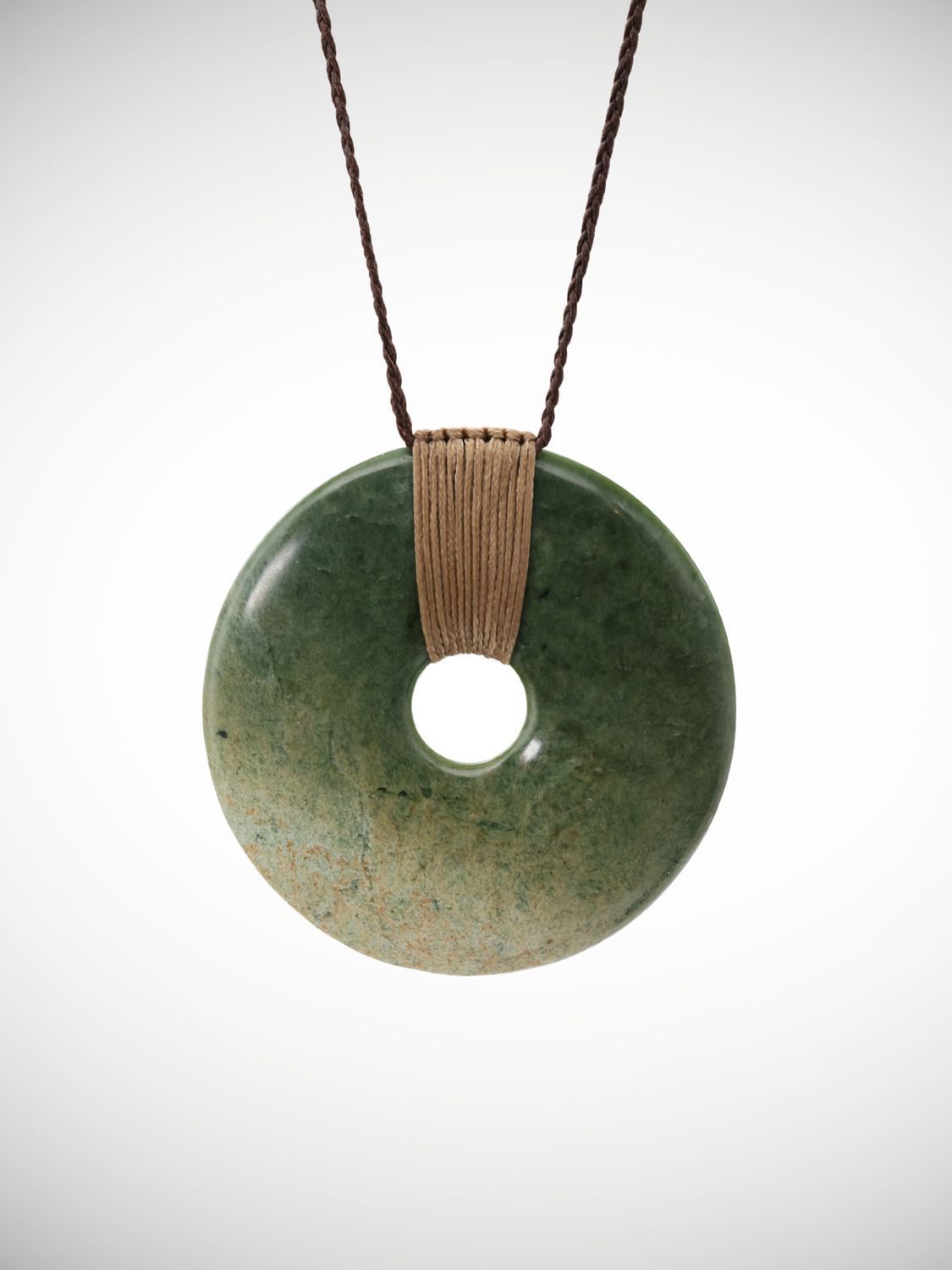
Porohita (Disc)
The Porohita, or disc, represents the circle of life - a form without beginning or end. It symbolises the cycles of time, seasons, and renewal, where every ending is a new beginning. It embodies energy, balance, and protection, often seen as a spiritual shield that creates harmony and guards against negativity.
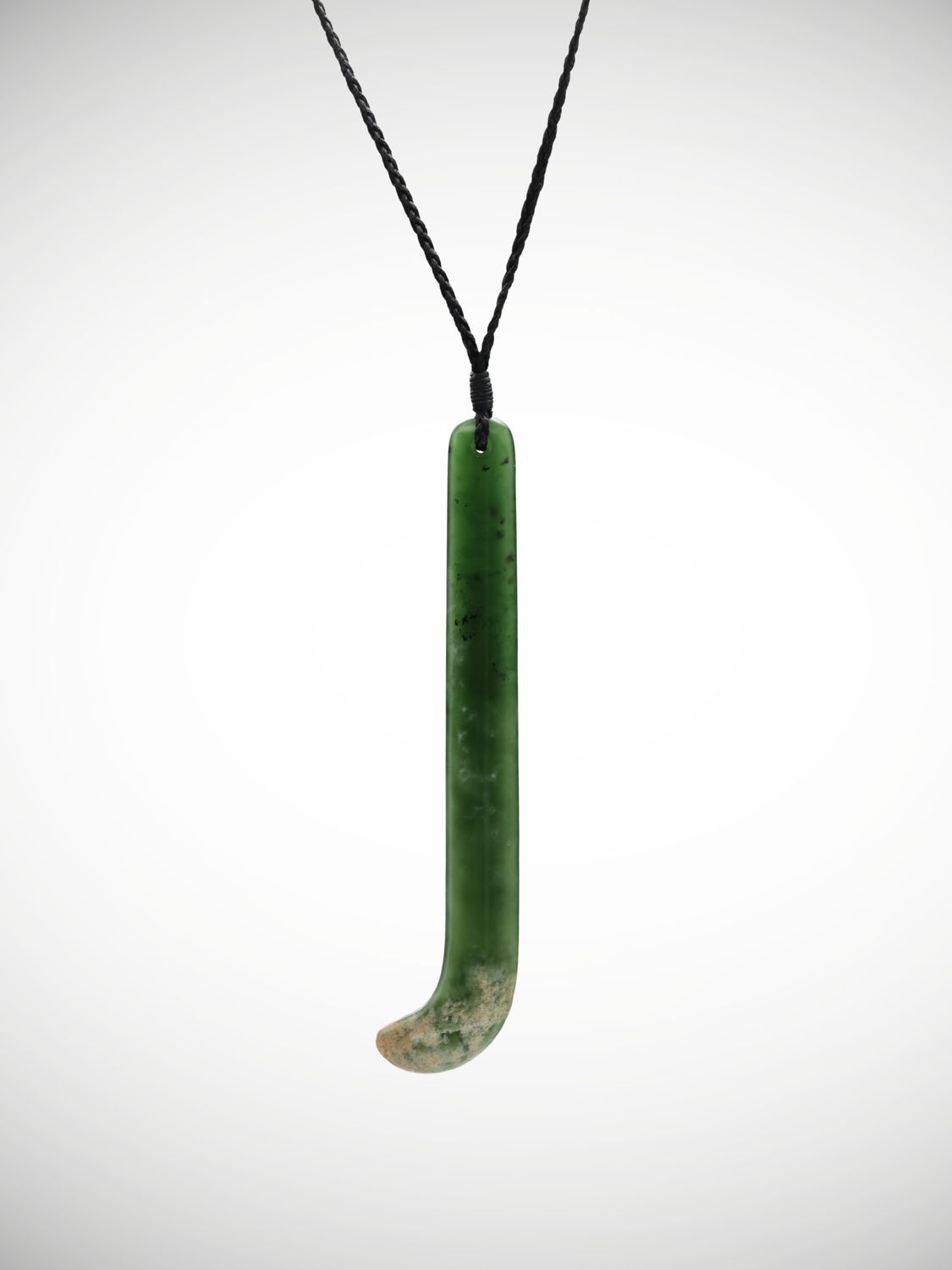
Kapeu
The Kapeu, with its elegant, softly curved form, signified high rank and status. Traditionally worn as an earring by chiefs and orators, it symbolises wisdom, communication, and the art of storytelling. It represents the flow of knowledge and the power of words to inspire and unite.